
Bunions and Hammertoes Don’t Have to
Slow You Down.
More Than a
Cosmetic Problem.
Bunions and hammertoes aren’t just about how your foot looks. They can cause real pain, make it difficult to find comfortable shoes, and change the way you walk, which can lead to problems in your knees, hips, and back.
Left untreated, these conditions tend to get worse over time. But the good news is that many patients find significant relief with conservative treatment. When surgery is needed, our doctors offer minimally invasive options through tiny incisions with faster recovery times.
Conditions Covered
Explore common foot and toe conditions that can affect comfort, mobility, and everyday activities.
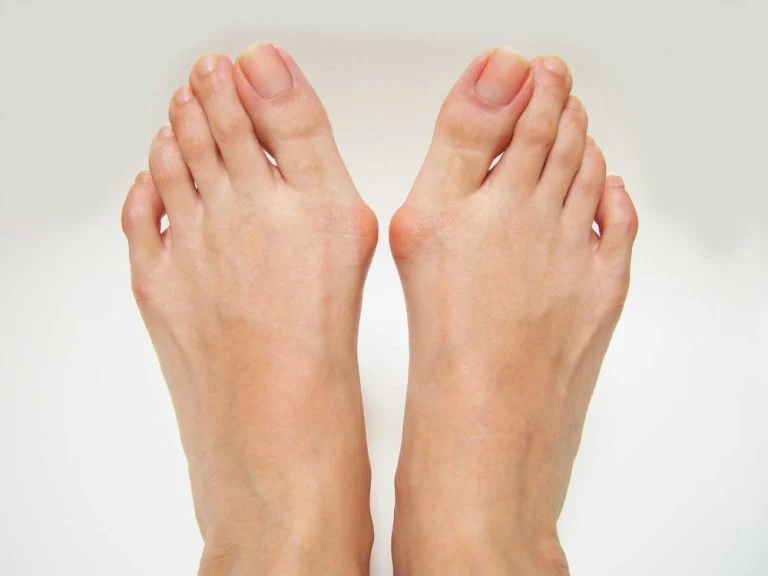
Bunions
A bony bump at the base of the big toe caused by the metatarsal bone shifting out of alignment. Causes pain, swelling, and difficulty wearing shoes.
Hammertoes
Toes that bend or curl downward instead of pointing forward. Can become rigid over time and cause painful corns and calluses.
Tailor’s Bunion (Bunionette)
A smaller bunion on the outside of the foot near the little toe. Same mechanics, different location.
Crossover Toe
When a toe moves out of its normal position and crosses over an adjacent toe. Often related to plantar plate instability.
Our Approach
As with all conditions at Next Step Foot & Ankle Clinic, we start with a thorough evaluation to understand not just what’s happening, but why. Our exam includes visual and biomechanical assessment, X-ray analysis for bone alignment, and in some cases ultrasound imaging to evaluate soft tissue involvement. Every patient gets a clear explanation of what we find and all available treatment options.
Treatment Options
Explore conservative and surgical solutions designed to relieve discomfort and improve foot health.
Custom Orthotics
3D printed orthotics designed to redistribute pressure and slow progression of the deformity.
Padding & Taping
Protective pads and taping techniques to reduce friction and realign toe position.
Shoe Modifications
Guidance on proper footwear to accommodate the deformity and reduce pain.
Injections
Anti-inflammatory injections for pain relief when needed.
Minimally Invasive Bunion Surgery
Performed through very small incisions at Christus ASC at Olympia Hills. Shorter recovery, smaller scars, less post-operative pain.
Hammertoe Correction
Multiple surgical techniques available depending on severity and flexibility of the deformity.
Lapiplasty 3D Bunion Correction
Advanced procedure that corrects the bunion in all three dimensions, addressing the root cause and reducing recurrence.
Hear From Our Doctors
Bunion Correction Surgery: What to Expect
Listen as Dr. Silvester explains what to expect from Bunion Correction Surgery.
Minimally Invasive Chevron Akin Procedure
Watch to learn more about Minimally Invasive Chevron Akin Bunion Surgery.
Hammertoes: The Next Step Difference
See how we diagnose and treat hammertoes at Next Step Foot & Ankle Clinic.
Questions About Bunions & Hammertoes
Honest answers to the questions we hear most.
Do I need surgery for my bunion?
Not necessarily. Many bunions can be managed with conservative care, especially when caught early. We always explore non-surgical options first, but sometimes surgery is the best path to lasting relief.
How long is recovery from bunion surgery?
With minimally invasive techniques, many patients are back in a walking boot within days. Full recovery varies by procedure but is typically faster than traditional surgery.
Will my bunion come back after surgery?
With advanced techniques like Lapiplasty that correct the root cause, recurrence rates are significantly lower than traditional bunion surgery.
Can children get bunions?
Yes. Juvenile bunions are common and should be evaluated early. Conservative treatment can help manage them during growth.
What causes hammertoes?
Muscle imbalances, improper footwear, and structural issues can all contribute. They tend to worsen over time without treatment.
When should I see a doctor about my bunion?
If your bunion is causing pain, limiting your shoe choices, affecting how you walk, or getting progressively worse, it’s time for an evaluation.